As the EU Packaging and Packaging Waste Regulation (PPWR) comes into effect, responsibility for registering and reporting packaging in Denmark changed again on 12 August 2026. When a company based…
With the EU Packaging and Packaging Waste Regulation (PPWR), which has been applicable since August 2026, the regulatory framework for packaging and Extended Producer Responsibility (EPR) in Europe is changing…
With the implementation of the PPWR, the requirements for foreign companies are also changing in Ireland and Italy. Packaging registrations are now possible and, where applicable, required for foreign companies…
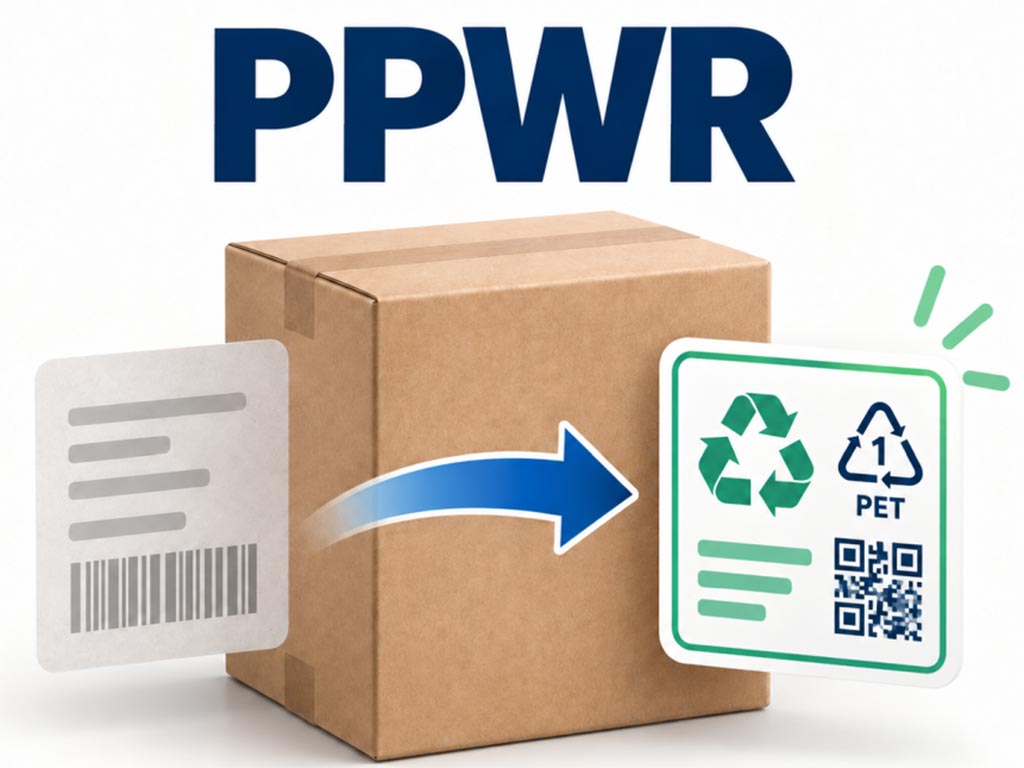
As previously reported in our newsletters, the new EU Packaging and Packaging Waste Regulation (PPWR) will gradually introduce changes to packaging labelling requirements over the coming years. One important change…
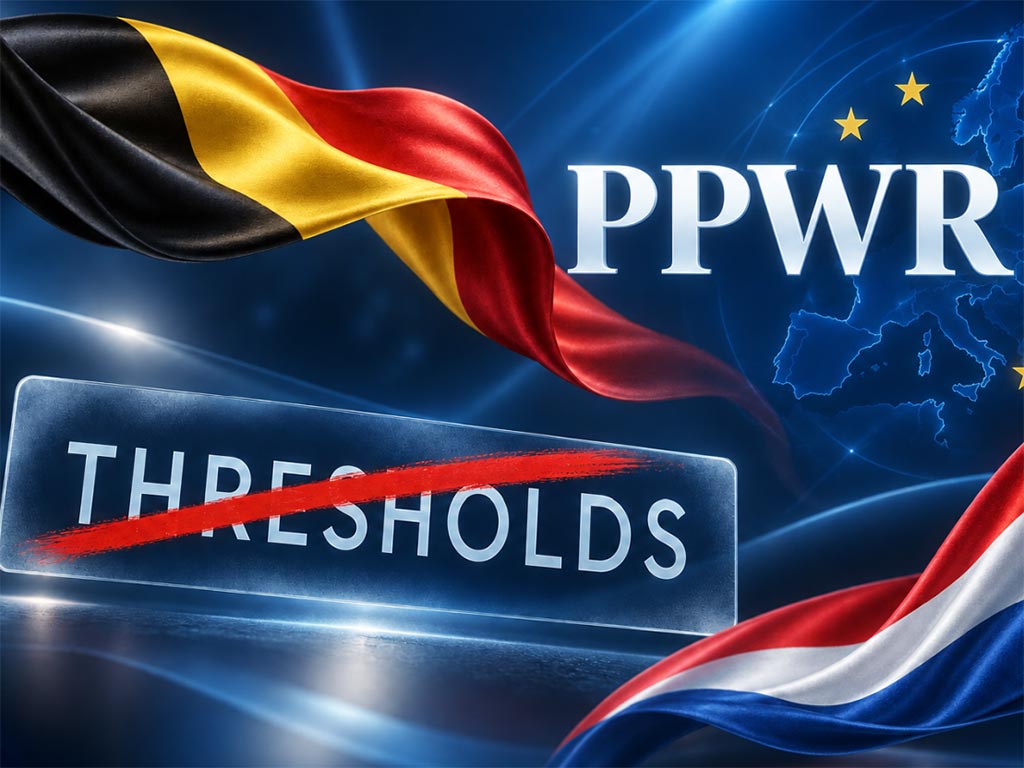
According to the new EU Packaging and Packaging Waste Regulation (PPWR), the requirements for producer registration in Belgium and the Netherlands are changing. In Belgium, the previous threshold for B2C…
Latvia is now implementing the requirements of the EU Batteries Regulation. From 2026 onwards, foreign manufacturers will be required to appoint an Authorized Representative for batteries. As part of this…
As highlighted in our previous newsletters, the EU Packaging and Packaging Waste Regulation (PPWR) will introduce significant changes for businesses across Europe. To support you in preparing for these new…
As part of the implementation of the European Packaging and Packaging Waste Regulation (PPWR), the Dutch packaging legislation will also be revised. The Dutch packaging EPR scheme, Verpact, has announced…
The French Ministry has officially postponed the implementation of the Extended Producer Responsibility (EPR) scheme for commercial (B2B) packaging to 1 January 2027. The postponement is intended to provide sufficient…
On 24 June 2026, the Swiss Federal Council adopted the new Packaging law (Verpackungsverordnung, VerpV). It replaces the previous Beverage Packaging Law and, for the first time, establishes a comprehensive…